
Contents
- Introduction
- Chapter 9 – The Value of Order
- Chapter 10 – The Principle of Flow
- Chapter 11 – The Value of Efficiency
- Chapter 12 – The Principle of Transparency
- Chapter 13 – The Value of Balance
- Chapter 14 – The Principle of Responsibility
- Final Synthesis
Introduction
If the first module explored how logistics emerges from the human need for order and structure,
this second module reveals what sustains that order — the values and principles that guide logistic thinking in action.
While Module 1 defined the logic of logistics, Module 2 defines its ethics.
Every operational system, no matter how advanced, reflects the mindset and moral framework of those who design
and manage it. Efficiency, precision, and flow are not only technical goals but expressions of deeper values such as discipline,
responsibility, and transparency. These are the invisible forces that maintain harmony between physical
movement and human intention.
In logistics, values act as stabilizers. They prevent systems from becoming purely mechanical and keep performance
aligned with purpose. Principles, on the other hand, translate those values into measurable practices —
the rules through which order becomes sustainable.
This module follows a progressive path: from understanding order as a moral and functional value, to examining
flow as a guiding principle; from pursuing efficiency and transparency as operational ideals, to achieving balance and
responsibility as the mature expression of logistic awareness.
Through these values and principles, logistics transcends the status of a technical discipline and becomes a model of
organized thought — one capable of shaping not only warehouses and supply chains, but also the very way we think
about coherence, purpose, and sustainability in human systems.
Chapter 9 – The Value of Order
Order as a Universal Constant
Order is the first visible sign of logistic thinking.
It is present whenever a person arranges, categorizes, labels, or plans. In logistics, order is not a decorative
concept — it is a functional necessity. Without order, flow cannot exist, efficiency cannot be measured, and
control becomes an illusion.

Fig. 9 – “The Value of Order” – generated with ChatGPT
From the warehouse floor to the global supply chain, order determines predictability. It ensures that every action
has a clear place and every element a defined role. In this sense, order represents the moral commitment to structure
reality so that it remains understandable and manageable.
Order as a Human Discipline
Maintaining order is not a passive state but a continuous discipline.
In every logistic system, entropy — the natural tendency toward disorder — is always at work. It manifests through
misplaced items, forgotten data, or communication breakdowns.
To counteract this, logistics cultivates order as a value, not only as a rule. The difference is subtle but decisive: rules
are imposed, while values are chosen.
When order becomes a value, it transforms behavior. Workers clean their workstations not because it is required,
but because they perceive cleanliness as the beginning of control. Planners verify data not out of fear of errors, but
out of respect for coherence. In this way, the value of order transcends procedures and becomes part of the organizational culture.
Order and the Architecture of Systems
Every logistic system is, at its core, an architecture of order.
Locations, product codes, processes, and information flows are designed to ensure traceability and reduce randomness.
A well-ordered system minimizes the distance between decision and action — between the need identified and
the resource mobilized to satisfy it.
The architecture of order extends beyond physical arrangements. It also defines decision hierarchies, communication
protocols, and data management structures.
A logistic manager who neglects order in the informational dimension will inevitably face chaos in the physical one.
The Ethical Dimension of Order
Order, in its highest meaning, is a moral stance toward the world.
To keep order is to respect the interdependence of things. It means recognizing that every object, process, and human
effort occupies a rightful place within a larger system.
Thus, order generates reliability — and reliability generates trust.
When logistics upholds order as a value, it reinforces responsibility, safety, and quality. A structured warehouse reduces
waste; a structured process reduces error; a structured mind reduces conflict.
Therefore, the value of order extends from shelves to strategy, from space to thought.
Transition to the Principle of Flow
Order gives structure — but without movement, it becomes static.
To remain alive, logistics must allow what is ordered to circulate, transform, and adapt.
This transition marks the passage from the value of order to the principle of flow, where structure meets motion
and the system becomes dynamic.
Chapter 10 – The Principle of Flow
Flow as the Lifeblood of Logistics
If order gives structure, flow gives life.
A perfectly organized system without movement is a museum of potential. It holds everything in its place but
achieves nothing. Logistics exists to connect — to move materials, information, and energy through organized
channels, transforming static order into dynamic performance.
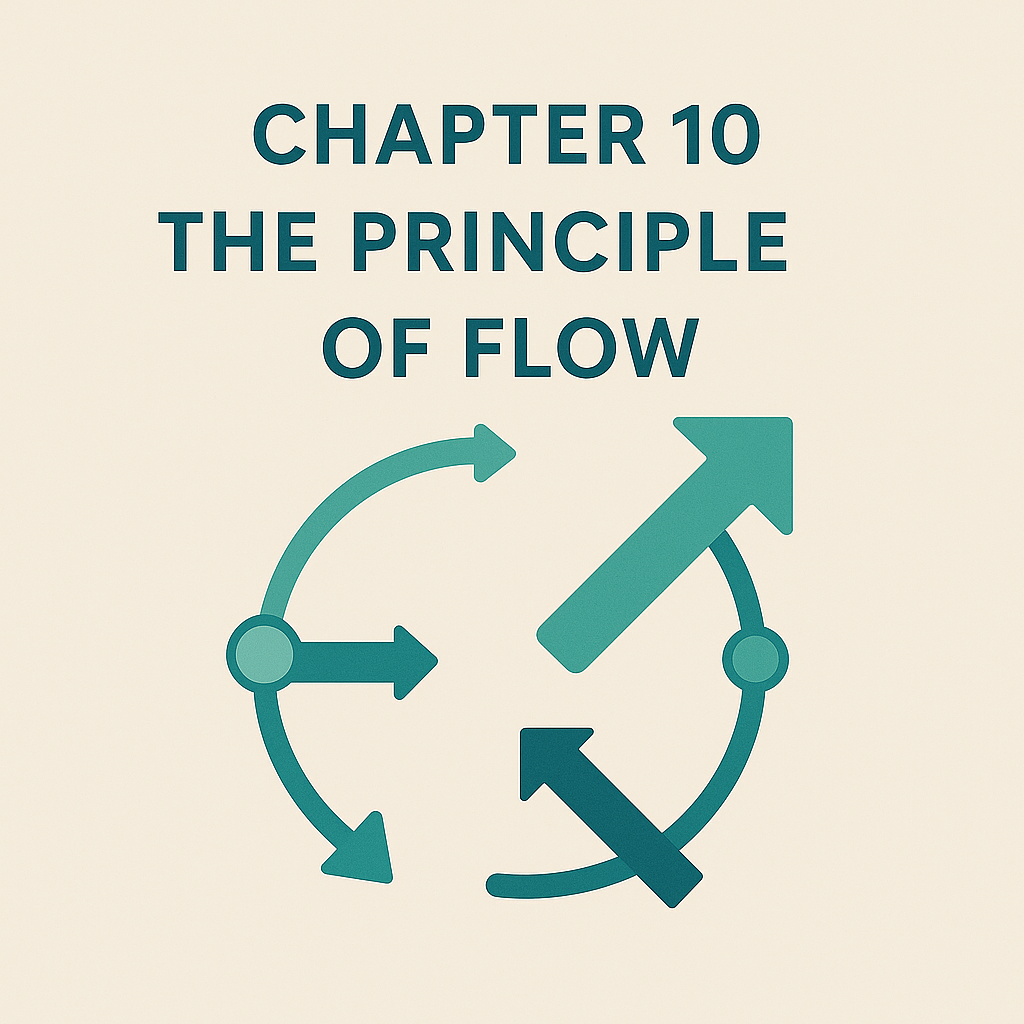
Fig.10. ” The Principle of Flow” – generated with ChatGPT
Flow is the invisible thread that binds every element of a logistic system. It connects the supplier to the client,
the inbound process to the outbound one, and planning to execution. Through flow, logistics expresses its essential
purpose: to ensure continuity without chaos.
The Nature of Logistic Flow
Flow is not simply motion. It is coordinated motion — a sequence of operations aligned in time and space.
In logistics, a truck route, an information transfer, or a replenishment loop all represent different manifestations
of the same principle: the minimization of resistance.
Whenever movement is interrupted — by waiting, searching, confusion, or overproduction —
flow is broken, and value begins to dissipate.
Thus, the true mastery of logistics lies not only in starting movement but in sustaining it —
ensuring that each unit of effort travels smoothly through the system.
From Linear to Circular Flow
Traditional logistics often visualized flow as a linear path: input → process → output.
Modern logistics, however, moves toward circularity. Returns, recycling, and continuous feedback have
transformed the system into a living organism where resources and information re-enter the cycle.
This shift from linear to circular thinking mirrors a deeper ethical evolution: efficiency is no longer measured
only by speed or volume, but also by sustainability — by how well the system reuses what it once consumed.
Flow and Human Coordination
No flow can be sustained without human synchronization.
Machines can automate movement, but only people can harmonize it. Communication delays, unclear priorities,
or fragmented decision-making create turbulence in the system.
Therefore, logistic leaders act as conductors of flow — ensuring rhythm, tempo, and continuity across
departments, partners, and time zones.
A synchronized flow transforms a collection of individual actions into a coherent operation. It turns effort into synergy.
The Ethical Dimension of Flow
At its highest level, the principle of flow becomes an ethical statement.
To maintain flow means to respect time, prevent waste, and reduce friction between people and processes.
It is a commitment to simplicity and clarity — to remove obstacles that do not serve purpose.
In this sense, flow represents respect: for others’ time, for shared objectives, and for the natural rhythm
of production and distribution.
Transition to the Value of Efficiency
Flow without purpose risks becoming perpetual motion without direction.
The next step in logistic thinking is to understand how movement generates value.
Thus, the principle of flow naturally leads to the value of efficiency, where continuity meets optimization
and effort becomes measurable progress.
Chapter 11 – The Value of Efficiency
Efficiency as the Logic of Action
If flow represents the rhythm of logistics, efficiency defines its intelligence.
It is the capacity to achieve maximum effect with minimum effort, transforming motion into measurable value.
In the absence of efficiency, even perfect order and continuous flow lose meaning — for logistics exists not
only to move, but to move purposefully.
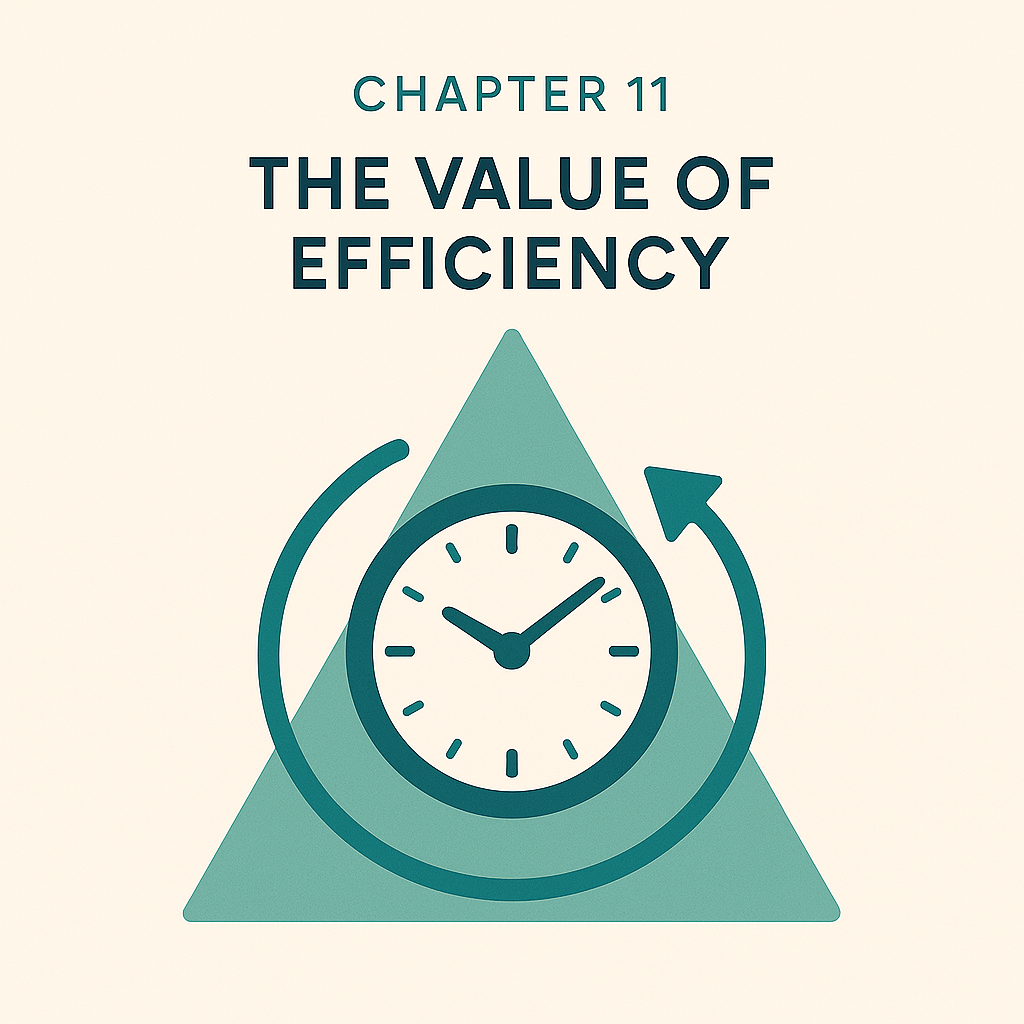
Fig.11. “The Value of Efficiency” – generated with ChatGPT
Efficiency is the bridge between doing things right and doing the right things.
It combines precision with judgment, ensuring that every resource — time, space, energy, information —
is used to its full potential.
The Dimensions of Efficiency
Efficiency in logistics extends across multiple dimensions:
- Spatial efficiency, reflected in optimized layouts and minimized travel distances.
- Temporal efficiency, expressed through reduced lead times and synchronized operations.
- Energetic efficiency, achieved by eliminating unnecessary handling and movement.
- Informational efficiency, obtained through clear data flows and reliable feedback.
These dimensions together define the maturity of a logistic system. When aligned, they produce a state where
effort, time, and resources converge in harmony.
Efficiency and the Elimination of Waste
Every logistic process carries within it the risk of waste — waiting time, overstock, redundant transport,
or miscommunication.
Efficiency begins by recognizing these inefficiencies not as isolated errors but as symptoms of systemic imbalance.
The discipline of continuous improvement (Kaizen, Lean, or Six Sigma) embodies the ethical dimension of
efficiency: respect for resources and refusal to tolerate waste.
An efficient system does not simply save cost — it protects value.
The Human Face of Efficiency
Efficiency is often misunderstood as a purely technical pursuit.
In truth, it depends profoundly on human factors — training, clarity, motivation, and feedback.
A well-designed process cannot compensate for disengaged people, nor can technology alone ensure precision.
True efficiency emerges when individuals understand why an operation must be performed in a certain way.
When purpose becomes shared, discipline becomes natural.
Efficiency as a Moral Choice
Efficiency is more than performance; it is responsibility.
To be efficient means to respect time — one’s own and others’.
It means avoiding excess not out of economy, but out of ethics: because waste is a form of disrespect
toward effort and resources.
In logistics, the value of efficiency therefore transcends calculation. It reflects a moral order —
an awareness that every saved minute, every optimized movement, is part of a larger harmony
between people, process, and planet.
Transition to the Principle of Transparency
Efficiency brings clarity of results.
But results without visibility can erode trust and cooperation.
Hence, the next step in logistic reasoning unfolds naturally: from the value of efficiency to
the principle of transparency, where performance becomes collective knowledge and responsibility
becomes shared.
Chapter 12 – The Principle of Transparency
Transparency as a Foundation of Trust
Transparency is the light that allows logistics to see itself.
Without it, systems may function mechanically but lose their sense of direction and accountability.
In a world defined by interdependence — between suppliers, warehouses, carriers, and customers —
transparency becomes not only a technical requirement but a moral principle.

Fig.12. ” The Principle of Transparency” – generated with ChatGPT
It transforms operations from isolated activities into a shared field of knowledge where each participant
understands the impact of their actions.
Transparency does not expose weakness; it reveals coherence.
Information as the Core of Visibility
Every logistic system lives through information.
Visibility — the ability to know what, where, and when — is the essence of control.
When information becomes fragmented or delayed, the entire chain loses rhythm.
Transparency ensures that data moves freely across functions, turning uncertainty into coordination.
From barcode scans to digital dashboards, every act of recording is a contribution to collective awareness.
Thus, transparency is not the abundance of information, but the alignment of information —
the right data, available to the right people, at the right time.
The Ethical Dimension of Clarity
Transparency is also an act of respect.
It honors partners by allowing them to see reality as it is, not as someone chooses to present it.
It builds fairness into collaboration, replacing suspicion with evidence and authority with understanding.
A transparent warehouse, process, or organization reduces the need for control because trust replaces enforcement.
In this sense, transparency is efficiency elevated to ethics.
Transparency and Shared Responsibility
In complex systems, no single actor can guarantee perfection.
Errors occur — but in transparent systems, they are detected early and corrected collectively.
This transforms responsibility from a burden carried by individuals into a shared commitment across the chain.
When everyone sees the same truth, accountability becomes natural.
The principle of transparency thus sustains not only accuracy, but solidarity — a cooperation rooted in clarity.
The Limits of Transparency
Too much exposure, however, can paralyze.
Transparency must be balanced with confidentiality, protecting strategic data and personal dignity.
The goal is not absolute visibility, but relevant visibility — enough to ensure alignment, not enough to endanger trust.
Just as in light, where too much brightness blinds, transparency must be calibrated to illuminate, not overwhelm.
Transition to the Value of Balance
Transparency clarifies the system; balance stabilizes it.
Once visibility is achieved, logistics faces its next challenge: to maintain proportion among competing goals —
cost, time, and service.
This leads naturally to the value of balance, where decisions are guided not by extremes, but by harmony.
Chapter 13 – The Value of Balance
Balance as the Art of Moderation
Logistics constantly lives between extremes — speed and accuracy, cost and service, stock and availability.
The value of balance lies in mastering this tension without letting it collapse into disorder.
To think logistically means to think proportionally: to understand that efficiency has limits, that speed has costs,
and that every advantage must be weighed against its consequences.

Fig.13. “The Value of Balance” – generated with ChatGPT
Balance is not the absence of movement, but its control.
It is the quiet discipline that allows systems to adapt without losing stability.
Dynamic Equilibrium in Logistic Systems
A logistic system is never static.
Fluctuating demand, variable lead times, and unpredictable disruptions make imbalance the norm rather than the exception.
Balance, therefore, must be dynamic — constantly reestablished through feedback, adjustment, and prioritization.
Inventory control, transport planning, and resource allocation are all continuous acts of rebalancing.
The best logistician is not the one who avoids imbalance, but the one who restores equilibrium faster than it deteriorates.
Balancing Efficiency and Resilience
Efficiency seeks to minimize redundancy; resilience requires it.
Too much focus on efficiency may eliminate the buffers that protect the system from shocks; too much emphasis
on resilience may inflate cost and inertia.
Balance is the wisdom to recognize when to push for optimization and when to preserve flexibility.
This balance is both technical and ethical: it reflects respect for sustainability — for the long-term stability of
people, processes, and resources.
The Human Sense of Balance
Every logistic decision ultimately involves human judgment.
No algorithm can fully replace the intuition that senses when a system is under tension.
Experience teaches that numbers describe the past, but balance defines the future.
A mature logistic mind perceives imbalance before it becomes visible — in the tone of communication,
in delayed responses, in signs of fatigue.
Balance, therefore, is not a calculation, but a sensitivity cultivated through awareness.
Ethics of Proportion
Balance is also a moral virtue.
It prevents ambition from becoming excess and control from becoming rigidity.
A balanced organization respects limits — not as constraints, but as conditions for sustainability.
Just as in physics, equilibrium ensures endurance, in logistics it ensures continuity.
To act without balance is to risk collapse; to act with balance is to ensure renewal.
Transition to the Principle of Responsibility
Balance gives logistics stability; responsibility gives it meaning.
When systems reach equilibrium, the question becomes: for what purpose?
This is where logistic thinking transcends performance and enters the realm of conscience —
the principle of responsibility, the highest expression of logistic maturity.
Chapter 14 – The Principle of Responsibility
Responsibility as the Ethical Core of Logistics
Responsibility is the conscience of logistics.
It reminds every professional, every organization, that efficiency without awareness is incomplete.
To move goods, data, or energy is an act of power — and every act of power carries moral weight.

Fig. 14. “The Principle of Responsibility” – generated with ChatGPT
The principle of responsibility transforms logistics from a science of movement into a discipline of meaning.
It ensures that decisions, no matter how technical, remain grounded in their human and
environmental consequences.
The Scope of Responsibility
In logistics, responsibility extends in three directions:
- Upstream, toward suppliers and partners who depend on reliable collaboration.
- Downstream, toward customers and communities that trust the system’s integrity.
- Internally, toward employees and processes that must be safe, fair, and sustainable.
Every decision — a transport route, a sourcing plan, a warehouse layout — affects not only cost
and time but also people, emissions, and local ecosystems.
Responsibility means being aware of these effects before they manifest.
Beyond Compliance
Regulations and standards define the minimum threshold of accountability.
Responsibility begins beyond that threshold — where ethics replaces obligation.
A responsible logistician does not act correctly because the law requires it, but because the system
demands coherence between efficiency and integrity.
In this sense, responsibility is proactive. It anticipates risks, prevents harm, and upholds dignity across
every flow of material and information.
Human Responsibility in Automated Systems
As automation and artificial intelligence reshape logistics, responsibility must evolve.
When algorithms decide routes or manage inventories, the question arises:
Who is accountable for the outcome?
True responsibility cannot be delegated entirely to machines — it must remain human in essence.
Technology amplifies decisions; it does not absolve them.
Thus, the more advanced logistics becomes, the more vital human responsibility becomes —
as the moral compass guiding innovation.
The Principle of Responsibility as a Cultural Value
Responsibility thrives in cultures that reward integrity, not only results.
It manifests in transparency of communication, respect for commitments, and empathy toward partners.
In such environments, responsibility ceases to be a burden — it becomes pride.
An organization that embraces responsibility becomes trusted not because it avoids mistakes, but
because it corrects them with honesty and speed.
Transition to the Final Synthesis
Responsibility closes the circle of logistic values.
It binds order, flow, efficiency, transparency, and balance into a coherent ethical system.
In the Final Synthesis, we will reflect on how these values and principles converge —
transforming logistics from a functional science into a philosophy of organized harmony.
Final Synthesis – Module 2
From Values to Vision
The journey through the values and principles of logistic thinking reveals a deeper truth:
logistics is not only about the movement of goods, but about the movement of meaning.
Order, flow, efficiency, transparency, balance, and responsibility form a coherent moral architecture —
one that guides both systems and people toward sustainable coherence.

Fig. “Final Synthesis-Module 2” – generated with ChatGPT
Each value reinforces the others.
Order without flow becomes rigidity.
Flow without efficiency becomes waste.
Efficiency without transparency becomes suspicion.
Transparency without balance becomes exposure.
Balance without responsibility becomes indifference.
Only together do these principles transform logistics into a human science —
precise in method, yet ethical in purpose.
The Harmony of the Logistic Mind
To think logistically is to seek harmony between what is necessary and what is right.
The logistic mind measures distances, but also consequences; it optimizes resources,
but also protects relationships.
This dual awareness — practical and moral — defines the maturity of modern logistics.
When values become operational, and principles become habits, logistics ceases to be
a reactive function. It becomes a culture — a disciplined, transparent, and responsible way of organizing the world.
Toward the Next Module
If this module gave logistics a moral backbone, the next one will give it functional anatomy.
In Module 3 – The Architecture of Logistic Systems, we will explore how values translate into structure —
how principles of order, flow, and balance materialize into warehouse layouts, process flows, and management systems.
From ethics to execution, the logic of logistics continues — transforming abstract thought into measurable design.
© 2025 www.logistix-simplified.com · The Logic of Logistics · Generated with the help of ChatGPT